 Skip to main content



Blog

Camber in
race cars: what it is, how it works, and what it changes in the setup
Camber is the angle of the wheel relative to
vertical when viewed from the front of the
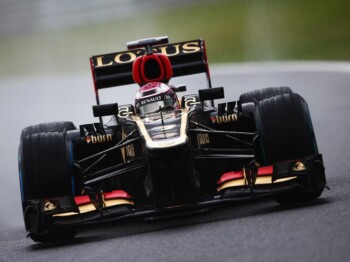
Camber is the angle of the wheel relative to vertical when viewed from the front of the car. In racing, it is a key setup parameter that can be adjusted to help the tire work more effectively under lateral load, especially through corners.
Every car has a camber value defined by its suspension geometry and alignment. On road cars, those values are generally designed to provide a balance between stability, safety, comfort, and even tire wear. In a race car, however, camber becomes a setup variable that teams can use to extract more of the tire’s available grip under real track conditions.
A change of just a few tenths of a degree can alter the way a tire works against the track and affect lateral grip, temperature distribution, wear, braking, and the overall balance of the car. Adjusting camber is therefore not simply about leaning the wheel in or out. It is about finding the right value for the car, the tire, the circuit, and the goal of each session.
What are negative and positive camber?
The basic concept is straightforward. If the top of the wheel leans inward toward the car, it has negative camber. If it leans outward, it has positive camber.
Negative camber is common in racing, although the amount used depends on several factors: which axle is being adjusted, the suspension design, tire construction, the circuit, technical regulations, and the overall vehicle setup.
The goal is not simply to “lean the wheel further.” The objective is to help the tire maintain the most effective possible contact patch when it is subjected to the loads generated on track.
What matters is not how the tire sits in the garage, but how it works in the corner
When the car is sitting still in the garage, the wheel is operating under very different conditions from those it experiences when the driver enters a corner at speed.
As the car turns, load is redistributed and the outside tires take on a greater share of the work. At the same time, the body rolls, the suspension moves through its travel, and the tire deforms. All of this changes the relationship between the tread and the track surface.
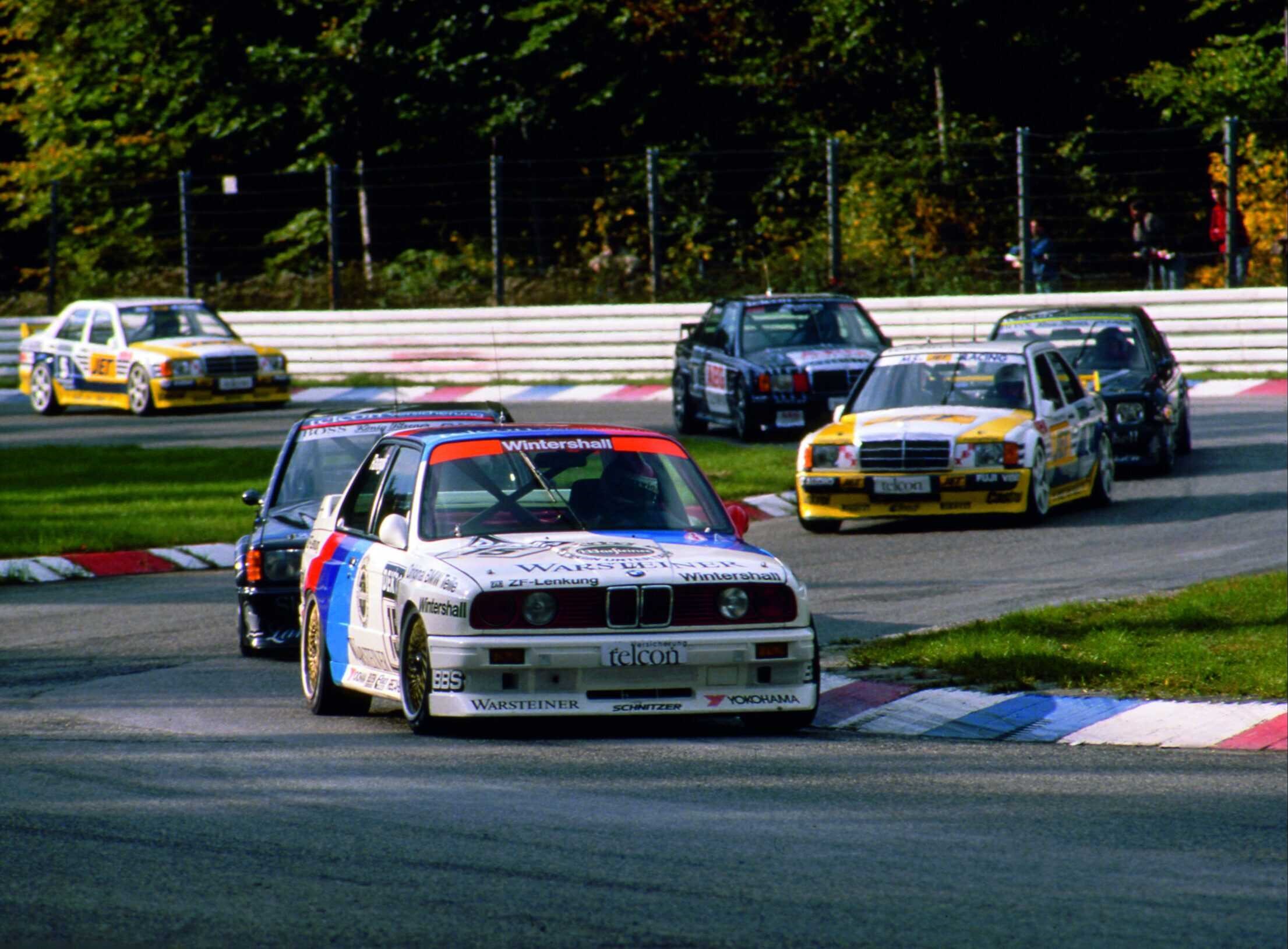
That means a tire that appears to sit perfectly on the ground while the car is stationary may work very differently once it is subjected to significant lateral load.
This is one of the main reasons teams use negative camber: to help the outside tire maintain a more effective contact patch while the car is loaded through the corner.
The value written on a setup sheet is therefore only part of the story. It represents the static camber used to prepare the car. What really matters to the engineer — and what ultimately affects performance — is how that tire works once the car is moving.
What is the team trying to achieve when it changes camber?
Imagine that after a run, the driver reports a lack of front-end support in high-speed corners. At the same time, tire temperatures show that the outer section of the tread is working harder than expected.
One of the variables the team may review is camber.
Increasing negative camber can help the outside tire work more effectively under lateral load. But that does not mean that more camber will always produce a better result. Too much can reduce the contact patch in other situations and compromise braking, traction under acceleration, tire temperatures, or wear.
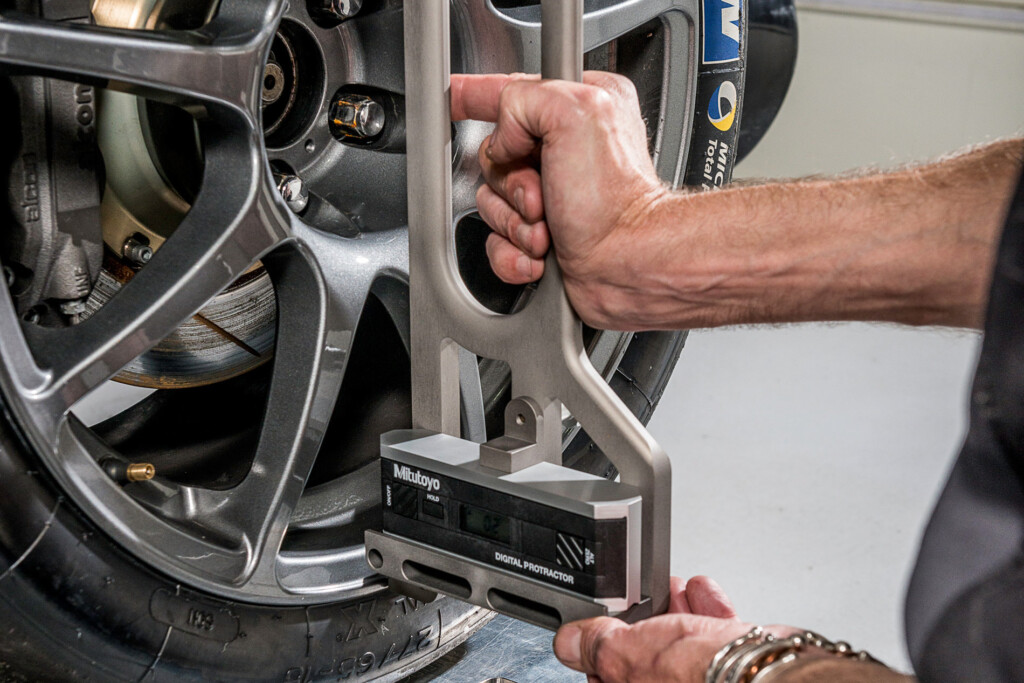
So when an engineer asks to move, for example, from -2.8° to -3.2°, they are not simply changing a number. They are trying to change how the tire works during a specific phase of the car’s behavior.
That adjustment may be aimed at improving support through a corner, changing front- or rear-end response, managing tire temperatures more effectively, or finding a better overall balance across the different sections of the circuit.
Camber also shows up in tire temperatures
Tire temperatures are one of the references a team can use to understand how the tire is working.
Measuring temperature across the inner, center, and outer sections of the tread can help show how the load is being distributed across the tire. A significant difference between those areas can be one of the signs that leads a team to review camber, tire pressure, or other setup variables.
But there is no universal reading that applies equally to every car.
Tire construction, pressure, suspension design, aerodynamic load, circuit characteristics, and even the timing of the measurement can all influence those temperatures. That is why the data becomes more valuable when it is compared with references from the same car, tire, and operating conditions.
Camber, then, should not be analyzed by looking at a geometry value alone. It needs to be considered alongside tire temperatures, pressures, wear, vehicle behavior, driver feedback, and lap times.
Does more negative camber mean more grip?
Not necessarily. As with many setup variables, a change that helps in one situation may create a disadvantage somewhere else.
A value that helps the tire work better in a fast, high-load corner may not be ideal under heavy braking in a straight line. Likewise, a setup that works very well over a qualifying lap may create a less favorable temperature distribution or wear pattern over a longer stint.
The circuit matters as well. A track dominated by long, high-speed corners may call for a different approach from one defined by heavy braking zones, slow corners, and low-speed acceleration.
There is therefore no single camber value that can be considered “correct” in isolation. There is only a value that works best for a particular combination of car, tire, circuit, and objective.
A camber change needs context
Suppose the team increases negative camber before a run and the driver improves by three tenths.
Did the change work?
It is reasonable to think so, but three tenths alone are not enough to prove it. Between the two runs, the tire set may have changed, the fuel load may be different, ambient temperature may have shifted, track grip may have improved, traffic may have been lighter, or the driver may simply have put together a better lap.
That is one of the most important principles when analyzing any setup change: the adjustment needs to remain connected to the conditions in which it was tested.
The previous camber value, the new setting, the tire set used, pressures, temperatures, driver feedback, lap times, and sector times all help reconstruct much more accurately what happened after the change.
Simply knowing that the car ran -3.2° tells you very little. Knowing that it moved from -2.8° to -3.2°, what issue the team was trying to solve, the conditions in which it was tested, and how the car responded turns that number into a meaningful technical reference.
A number on its own tells you very little
Camber is a good example of how race car setup really works. A seemingly small adjustment can significantly change the way a tire performs while also interacting with many other variables on the car.
That is why the engineer’s job is not to chase the highest or lowest possible value, but to find the setting that best delivers the behavior required for that particular session.
RaceData allows teams to retain geometry values within each setup and keep those changes linked to the event, session, and run in which they were used. This means the team can review not only what camber value the car was running, but also what it was trying to correct, the conditions in which the change was tested, and what happened afterward.
Because when we analyze a setup, an isolated value rarely gives us the answer we are looking for. Knowledge comes from understanding why the change was made, the context in which it was tested, and what result it produced on track.