 Skip to main content



Blog

Costly Mistakes:
3 Team Decisions That Changed Races and Championships
The fastest car does not always win the race.
Sometimes, what happens away from the track can
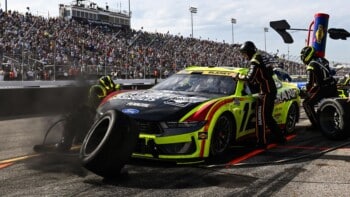
The fastest car does not always win the race. Sometimes, what happens away from the track can have enough impact to change the outcome of a Grand Prix — or even an entire championship. These are three real cases where team-side mistakes cost drivers victories or results that were there for the taking.
A tenth of a second can change everything in motorsport. It can separate pole from the front row, victory from defeat, or even decide who is crowned champion at the end of the season.
But not every race is won or lost while the car is on track.
Sometimes, communication breakdowns, unclear task ownership or the wrong interpretation of available information can cost a team that decisive tenth before the driver even has a chance to fight for it.
Even the highest levels of motorsport are full of examples where highly experienced teams, with significant resources and world-class personnel, have paid a heavy price for mistakes like these.
Here are three real cases that show how failures in execution, information management and decision-making can ultimately shape what happens on race day.
Ricciardo at Monaco 2016: the car was ready, the pit stop wasn’t
Daniel Ricciardo arrived at the 2016 Monaco Grand Prix as one of the strongest contenders of the weekend. The Red Bull driver took pole position and remained firmly in the fight for victory throughout a race shaped by rain and constantly changing track conditions.
After starting on full wet tyres and later switching to intermediates, the time eventually came to move onto slicks. Red Bull called Ricciardo into the pits — but when he stopped in his box, the tyres he needed were not ready.
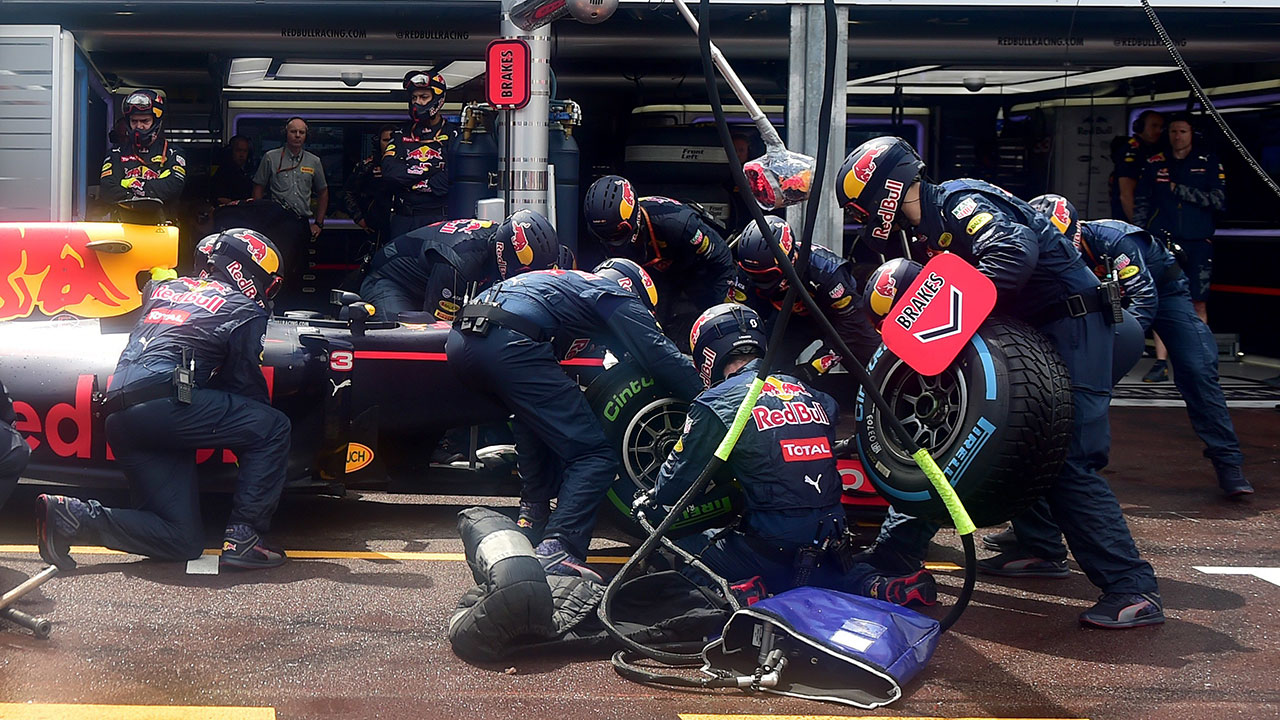
Red Bull had initially planned to fit a set of soft tyres before changing its decision to a used set of supersofts. According to then-team principal Christian Horner, that set was located “at the back of the garage”, meaning the mechanics could not get it to the car in time.
The delay lasted more than 13 seconds and proved decisive.
Ricciardo rejoined almost alongside Lewis Hamilton, but lost the lead. At Monaco, where overtaking is notoriously difficult, reclaiming the position became virtually impossible.
The issue was not simply a slow pit stop. Red Bull had considered multiple tyre options and changed the final call shortly before Ricciardo arrived, but sent the driver into the pits before confirming that the selected set was actually ready.
It is a clear example of how a correct strategic decision can lose all its value if execution does not keep pace.
Every action in a race operation depends on timing, ownership, resources and a sequence of tasks that must happen in the right order. If one part of that chain breaks down, the entire process can be compromised.
Camilo at Curitiba 2017: when track conditions invalidate the pre-race numbers
The 2017 Corrida do Milhão in Brazilian Stock Car became an unexpected case study in fuel management.
For the first time, the event was held at Curitiba, with a 40-minute race and a mandatory pit stop involving both refuelling and a tyre change.
Daniel Serra started from pole, while Thiago Camilo — who arrived at the event leading the championship — lined up second.
Camilo settled in behind Serra and later explained that he understood there was no need to take unnecessary risks. Second place was enough to protect his championship lead.
But as the race entered its closing stages, a problem began to emerge — and it was not isolated to Camilo’s car.
One by one, several drivers began running out of fuel.
By the chequered flag, ten drivers had suffered what Brazilians call pane seca: simply running the tank dry.
Camilo went from managing a safe second place to retiring from the race and leaving Curitiba without the result he needed, while Serra took the win and moved into the championship lead. The conditions that Sunday were particularly important.
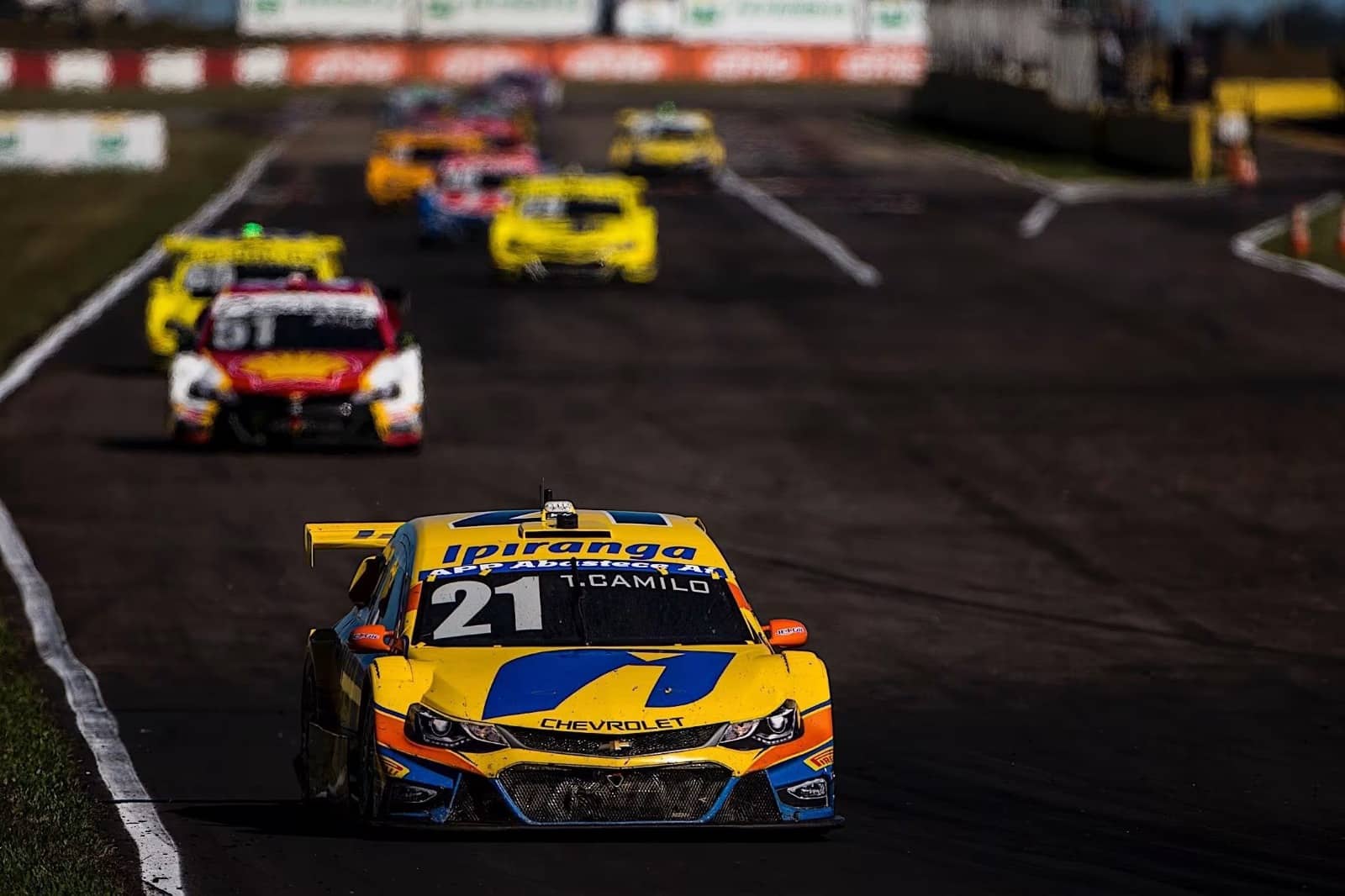
The weekend had been expected to remain cold, but temperatures changed sharply during the race. Teams and specialist media pointed to that variation as one possible reason why fuel consumption was higher than expected.
Camilo also had an additional issue: a steering-wheel failure prevented him from properly monitoring fuel usage and relaying that information back to the team.
That meant one of the key references required to validate the team’s fuel calculation was effectively unavailable while he was trying to manage the race.
The takeaway is straightforward: an estimate is only as reliable as the references and conditions on which it was built.
Fuel consumption can change with temperature, pace, traffic, safety-car periods, race position and driving style.
Good fuel management therefore involves much more than recording a single number. It requires building comparable historical references, understanding the conditions under which those figures were produced and knowing how much confidence to place in them when the race scenario begins to change.
Lewis Hamilton, China 2007: one lap that helped decide a championship
Lewis Hamilton’s 2007 Chinese Grand Prix took this idea to an even higher level.
In his rookie Formula 1 season, Hamilton arrived in Shanghai leading the championship and with the opportunity to secure the title before the final round.
The track was damp and the field started on intermediate tyres. Hamilton controlled the early stages, but as the circuit began to dry, his tyres became increasingly worn. The strategic situation was difficult.
Rain was coming and going, and switching to dry tyres too early carried its own risk. For a period of the race, staying out remained a reasonable decision.
The problem was that tyre degradation continued to accelerate and Hamilton’s lap times began dropping away rapidly while his rivals closed in.
McLaren kept him out while waiting for greater certainty over the weather.
By the time the team finally called him in, the window had effectively closed.
With his intermediates worn almost down to the canvas, Hamilton lost grip on the pit-lane entry, slid into the gravel trap and became stranded. His race was over.
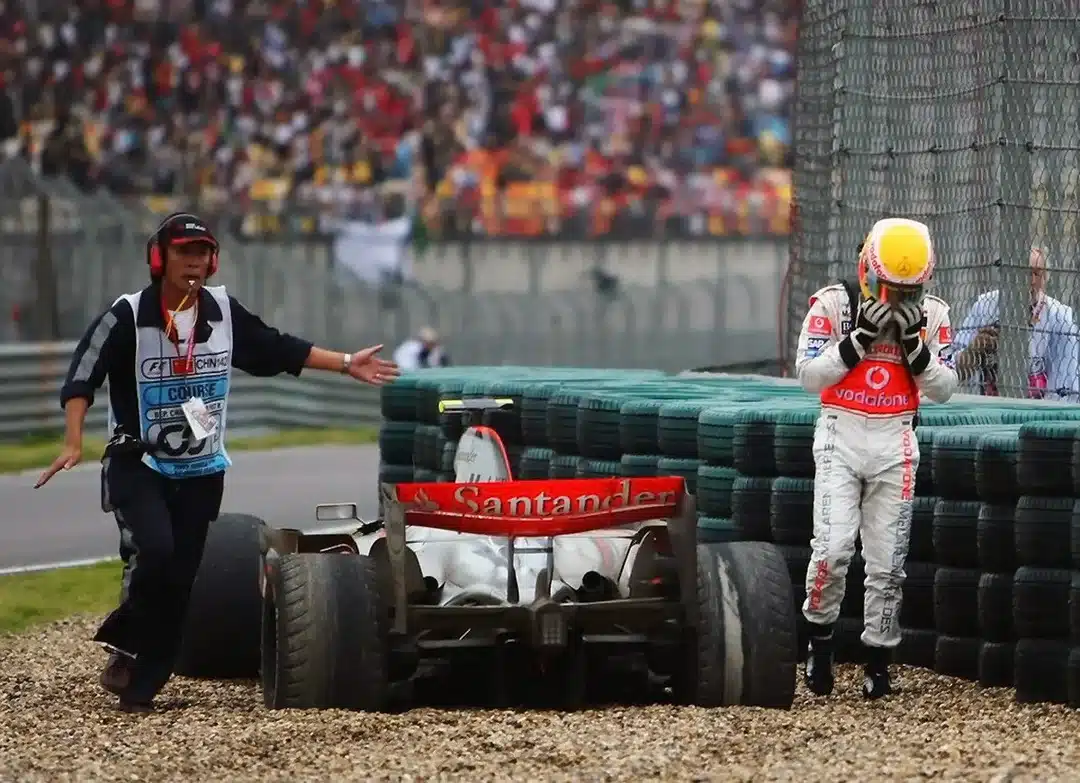
McLaren later acknowledged that the stop had come too late. At the final round of the season, Kimi Räikkönen ultimately became World Champion.
The lesson is clear: it is not enough to look at a variable at one point in time — you also need to understand its rate of change.
Tyre behaviour can shift quickly as wear, temperature and track conditions evolve. A strategy that made sense a few laps earlier can become the wrong one if the underlying conditions move faster than the decision-making process.
McLaren had waited in search of greater certainty about the weather. When Hamilton was eventually called in, there was no margin left.
Martin Whitmarsh later accepted that the team had waited too long and, with hindsight, should have stopped him one lap earlier.
That is what makes tyre analysis and tyre history so valuable.
It is not enough to know what a tyre is doing now — teams need to understand how that behaviour is trending.
That requires more than measurement. It requires historical context, comparable references and organised information that allows engineers to recognise patterns before the operating window disappears.
Reducing the margin for error in the garage to perform better on track
Ricciardo lost a race-winning opportunity because a critical task required to execute the strategy had not been completed in time.
Camilo retired because a fuel estimate was challenged by conditions that differed from those expected, while one of the key references needed to validate that estimate was unavailable during the race.
Hamilton retired because a strategy that initially made sense was kept in place beyond the point at which the tyres could support it.
Three different situations, but all of them highlight the value of organised information, accessible historical context and clearly defined processes.
That is precisely the environment RaceData is designed to help teams build: bringing tyre management, fuel, setup, driver feedback, timing, files and tasks into a single system.
Not to eliminate uncertainty.
Not to make decisions for the team.
But to make sure that what is learned during each race weekend becomes structured, traceable knowledge that is available when the team needs it again.
Because in motorsport, where one small detail can decide who stands on the top step of the podium, getting more value from what the team already knows can become a competitive advantage in itself.