 Skip to main content



Blog

Arriving on
friday with a proven setup ready to go
A strong race weekend doesn’t begin when the team
arrives at the circuit. Experience from previous seasons
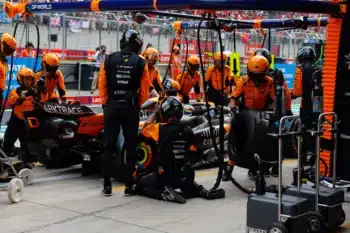
A strong race weekend doesn’t begin when the team arrives at the circuit. Experience from previous seasons at the same track, data from earlier events, knowing which setups performed best, reviewing them, comparing references, and keeping that information organized all help the team extract more from the car from the very first practice session.
By the time the car goes out for its first runs, the clock is already ticking. Rivals are putting laps in, the pressure is building, and the weekend is underway. That’s why arriving on Friday and trying to remember what worked last time, wasting minutes searching for old setup sheets, or piecing together decisions made months earlier means spending valuable track time solving something that could have been prepared before reaching the circuit.
The first setup of the weekend shouldn’t start from scratch
Setting up a race car is a process of continuous refinement. Ride heights, alignment, anti-roll bars, dampers, stiffness, weight distribution, aerodynamics, and many other variables interact with one another. Every change can improve one area while compromising another.
Arriving at the circuit with a known baseline changes that process. If a certain configuration delivered good balance, looked after the tires, and produced competitive lap times during the previous visit, it can become the starting point. That doesn’t mean copying an old setup sheet and assuming it will work exactly the same way again: the tire compound, temperature, regulations, vehicle weight, or track surface may have changed. But there is a major difference between starting from a technically proven reference and starting from a generic setup or one reconstructed from memory.
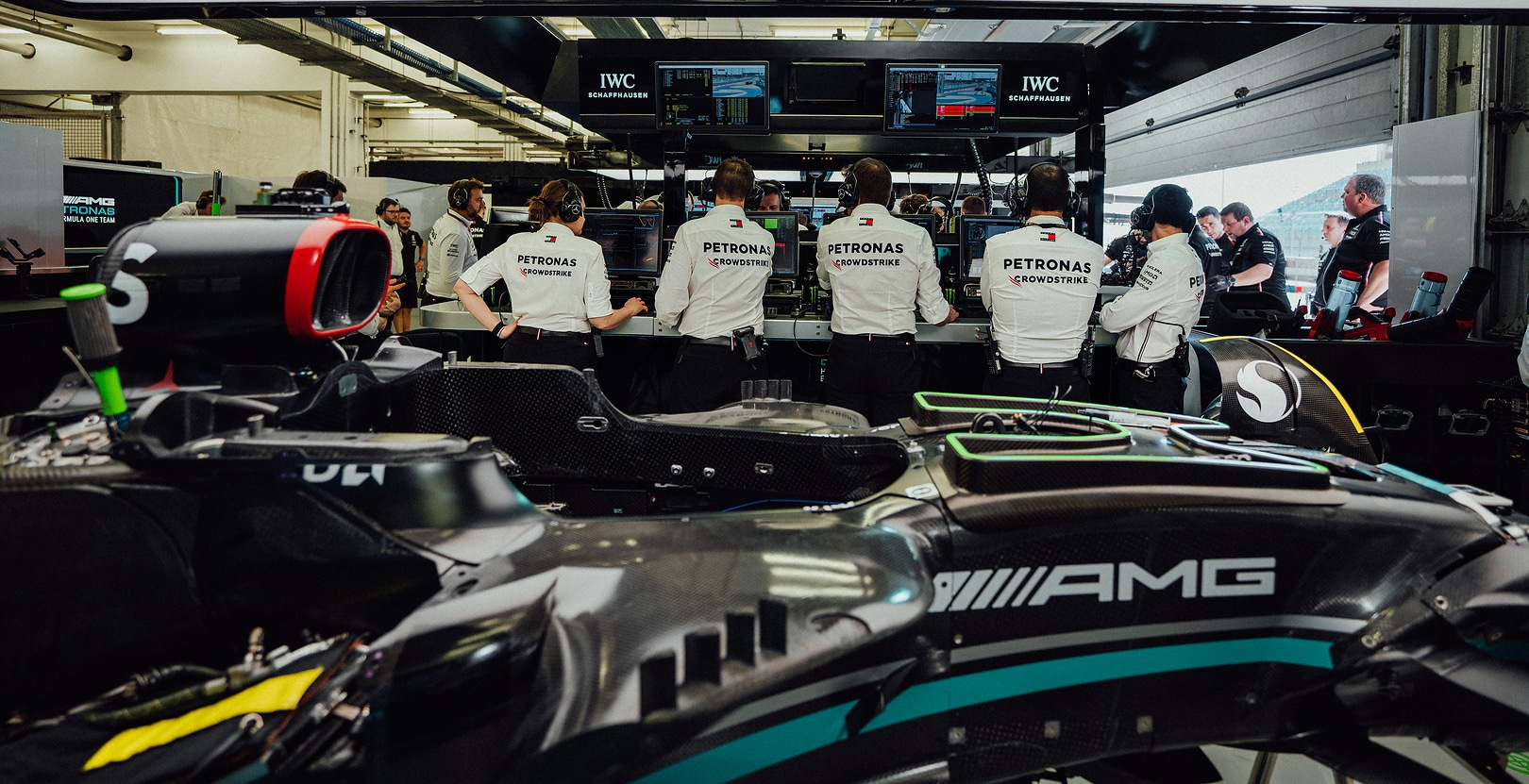
The best setup from a previous event works as an initial hypothesis. It can also give the driver confidence, because the weekend begins from a configuration that has already worked before. Friday then becomes about refining a valid reference rather than spending the first part of the weekend simply trying to find the right direction.
A setup alone doesn’t tell you what each change actually produced
One of the easiest mistakes to make when reviewing historical information is assuming that the last setup used was necessarily the best. Teams make many changes over the course of a weekend, and not every one of them improves the car. A competitive configuration may be altered to solve a specific issue and end up moving the car away from the balance that had worked best.
That is why the setup history becomes truly valuable when it allows the team to reconstruct how the car evolved. The best balance may have appeared during the third run, followed by another change that reduced consistency. If the team only keeps the final setup sheet, it risks returning to the circuit with a weaker reference. If the entire sequence is preserved, it can identify when the improvement appeared and which decisions led to it.
That is the difference between storing information and building technical knowledge. History should not simply be an archive of old versions; it should become a technical memory that helps the team understand what worked and what happened after each change.
Same setup, different context: a different car
A setup sheet describes how the car was configured, but it doesn’t necessarily explain why that configuration worked. To understand its real value, it needs to be connected with the surrounding context: which tires were used, their pressures and temperatures, track conditions, driver feedback, how lap times evolved, and whether the performance could be sustained throughout the run.
Two similar setups can produce very different results when the conditions are not comparable. Even a lap-time improvement that appears to come from a setup change may partly be explained by fresher tires, a faster track, or a lower fuel load. Looking back at previous events is not simply about finding a setup sheet with good numbers. It is about reconstructing what was happening around that configuration.
Driver feedback is part of that picture too. A setup may produce one fast lap while making the car difficult to sustain over a longer run. Another may be slightly slower over a single lap but much more consistent. Depending on the objective of the session, that second configuration may actually be the more useful reference.
Building Sunday’s result from Friday
Practice time is limited to begin with, and any issue that comes up can reduce it even further. The goal, then, should be to send the car out for the first time with as much preparation as possible already completed.
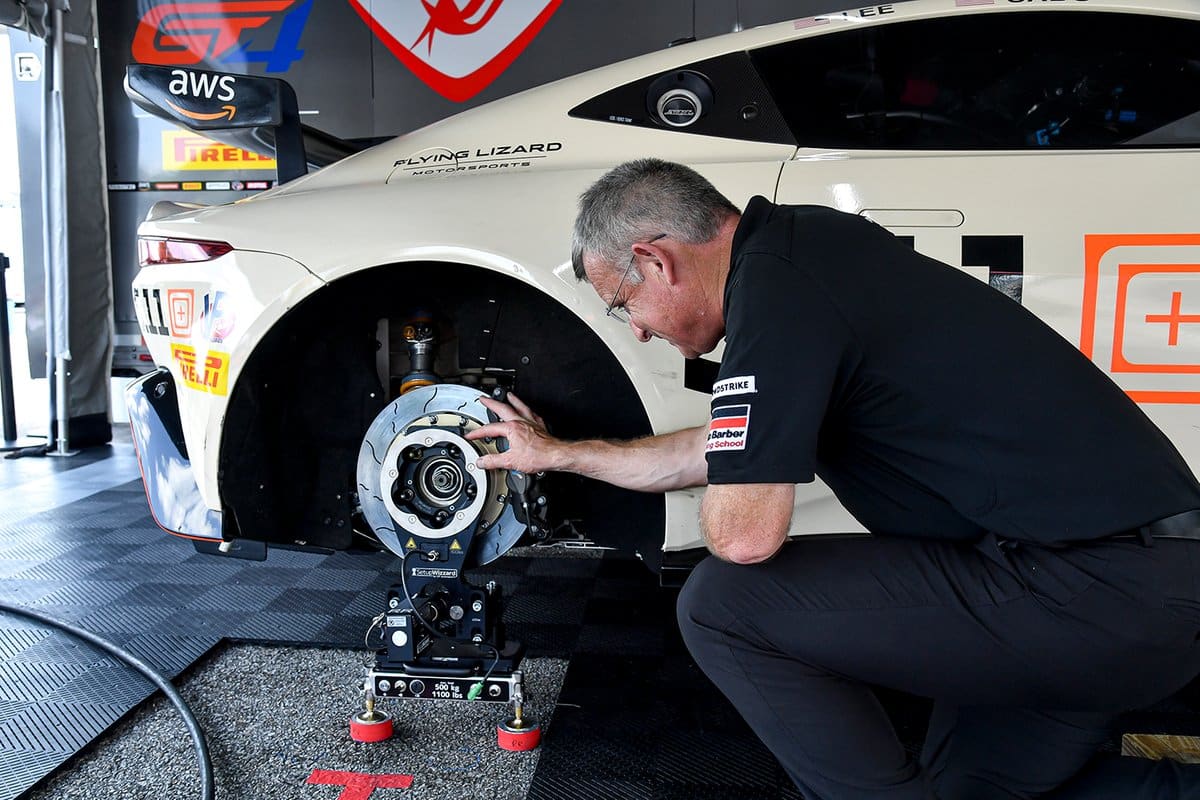
If the team arrives knowing which setup it wants to use as a baseline, which configurations worked before, and which problems appeared during the previous visit, the opening laps can be used to validate that reference. If the driver reports less rear grip than last time, the team can immediately investigate what changed: conditions, tires, ride heights, pressures, or perhaps a technical or regulatory change. The process becomes less about trial and error and more about structured comparison.
Solving the balance during the first practice session allows the following sessions to be used for deeper development, qualifying alternatives, tire understanding, or race setup work. In racing, a lap you don’t need to spend rediscovering something you already knew becomes an advantage.
The history has to be available when it’s needed
Many teams accumulate years of experience, yet a significant part of that knowledge ends up scattered across computers, spreadsheets, photos, folders, messages, or simply in the memory of the people who were there. The problem appears months later, when a team member changes or when a reference needs to be recovered quickly during a race weekend.
Historical information loses value if finding it takes longer than the team has available. RaceData allows teams to keep the setup sheets used for every event, session, and run, building a history that can be retrieved and compared whenever it is needed again. The configuration can also be related to tire information, driver feedback, and timing, making it possible to understand not only how the car was set up, but also what results that setup produced.
The goal is not to replace the engineer’s judgment, but to give them faster access to the knowledge the team has already created. A good decision doesn’t always need to begin with a new answer; often, it can start by correctly recovering an answer the team found months earlier.
Build from experience
Returning to a familiar circuit doesn’t mean returning to the same race. The car changes, the conditions change, and the setup needs to keep evolving. Using historical information is not about freezing development; it is about avoiding the need to start every weekend from zero.
That accumulated knowledge is one of the most valuable assets a team can build over time. Every race leaves lessons behind, every run adds new references, and every setup change helps the team better understand what works and why. RaceData keeps that experience organized, connected, and available when it is needed again, turning the team’s technical history into a valuable tool for preparing the next event.
Arriving on Friday with a strong baseline doesn’t guarantee what will happen on Sunday, but it does allow the team to start the weekend one step ahead. And when track time is limited and competitive pressure is high, beginning with a known configuration avoids wasting laps rediscovering the same lessons and leaves more room to work, test, and find the next gain.